
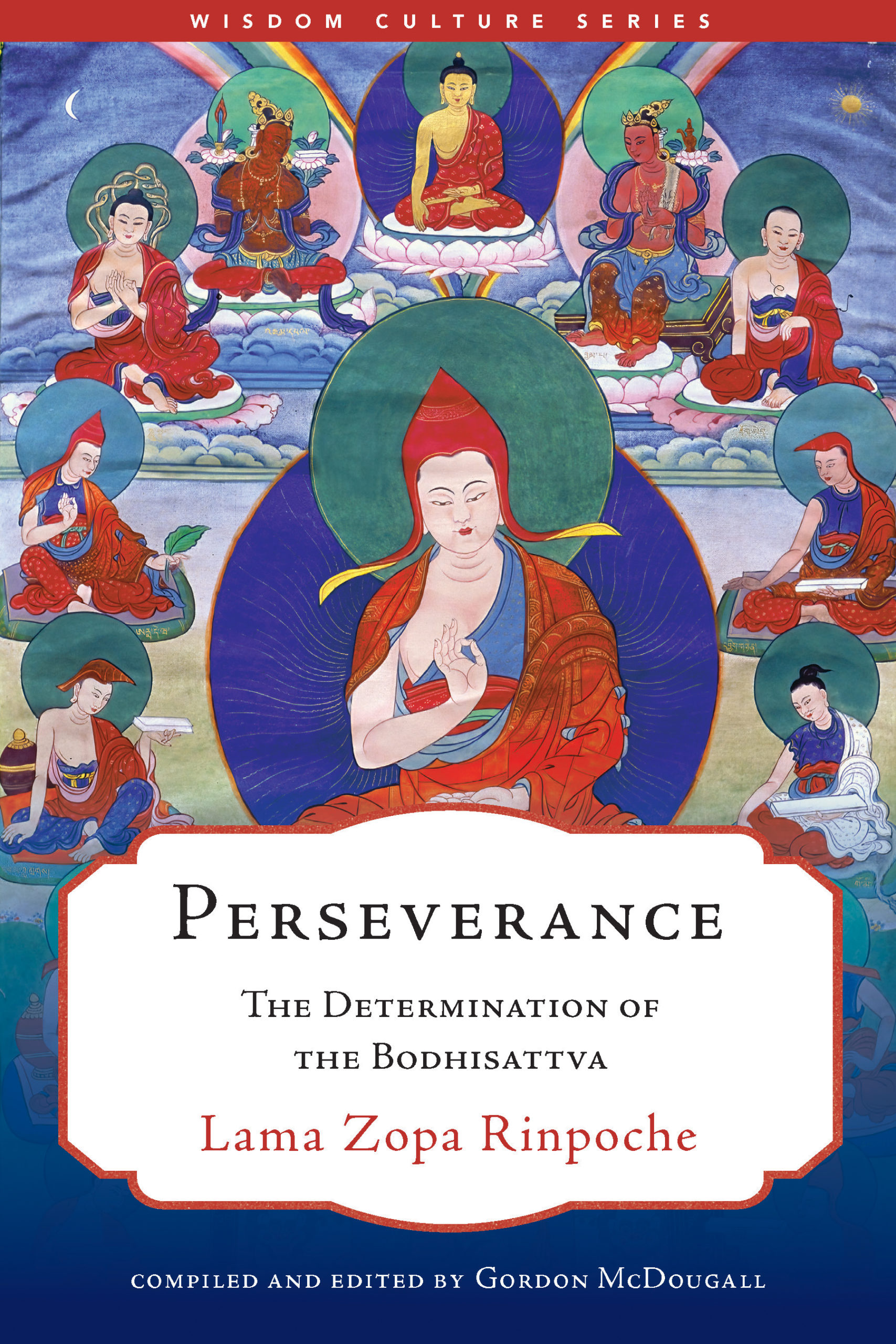
PERSEVERANCE
The Determination of the Bodhisattva
Dive deep into perseverance, one of the core practices of the bodhisattvas, with beloved teacher Lama Zopa Rinpoche as a guide.
Awakening depends on fortitude;
because, without fortitude there is no merit,
as there is no movement without wind.
—Shantideva, Guide to the Bodhisattva’s Way of Life
Perseverance, or virya, is also translated as “energy,” “fortitude,” or “vigor.” One of the six perfections, or paramitas, it is one of the trainings of the bodhisattvas and a deeply necessary quality for the Buddhist path. But it’s far from the kind of head-down, stubborn determination the name could imply; instead, it’s joyful energy that enables us to practice.
Rinpoche’s commentary is structured around the fifth and seventh chapters of the beloved Guide to the Bodhisattva’s Way of Life by the eighth-century philosopher-poet Shantideva. Interweaving his teaching with Shantideva’s verses, Rinpoche elucidates this prerequisite for enlightenment, explaining what it is and how to cultivate it: guard your mind, gather virtue, work for others—and find incredible joy in these things.
“When we have perseverance, we will have no obstacles, which means obstacles to any happiness, especially to ultimate happiness, the freedom from the oceans of samsaric suffering, and most importantly to peerless happiness, the state of the omniscience that is enlightenment.”
—Lama Zopa Rinpoche
The Wisdom Culture Series, published under the guidance of Lama Zopa Rinpoche, provides English-language readers with key works for the study and cultivation of the Mahayana Buddhist path, especially works of masters within the lineage of Lama Tsongkhapa and the Geluk school of Tibetan Buddhism.
About the Author
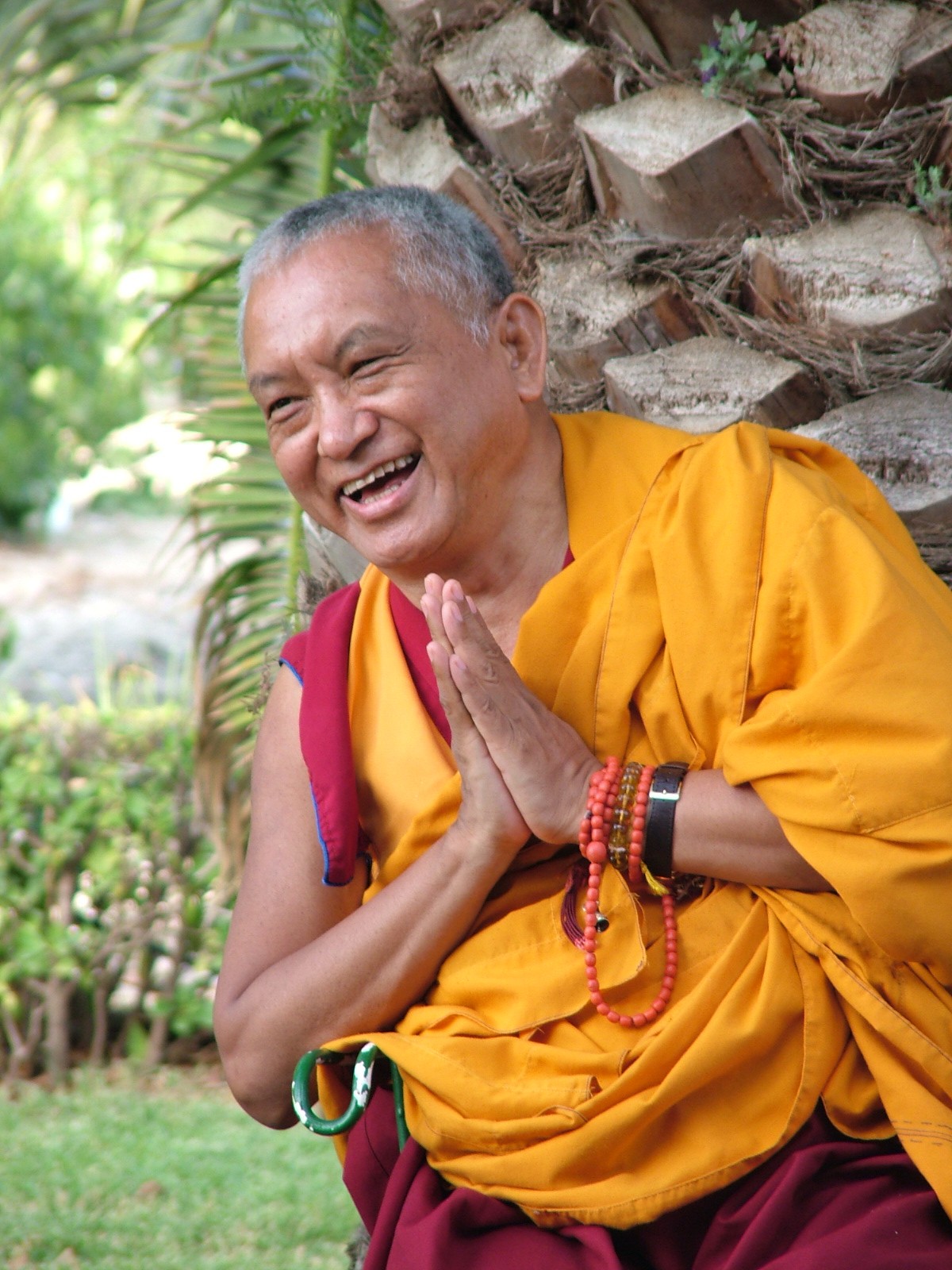
Lama Zopa Rinpoche was one of the most internationally renowned masters of Tibetan Buddhism, working and teaching ceaselessly on almost every continent. He was the spiritual director and cofounder of the Foundation for the Preservation of the Mahayana Tradition (FPMT), an international network of Buddhist projects, including monasteries in six countries and meditation centers in over thirty; health and nutrition clinics, and clinics specializing in the treatment of leprosy and polio; as well as hospices, schools, publishing activities, and prison outreach projects worldwide. Lama Zopa passed away on April 13, 2023.

Book Information
- Paperback
- 216 pages, 6 x 9 inches
- $29.95
- ISBN 9781614298977
- eBook
- 216 pages
- $21.99
- ISBN 9781614299103
Discover More

How to Live and Die
What death is, how we die, what minds we need at death and what happens after death—only by knowing about death and rebirth can we actually fully understand what life is and so learn how to live fully.
—Lama Zopa Rinpoche
There is arguably no truth more foundational to Buddhism than this: everything is impermanent. We can see this in the world all around us; old systems break down, relationships change. Death comes for those we love and, inevitably, for us.
In this book, the late, beloved teacher Lama Zopa Rinpoche walks us through the traditional, revelatory practices of meditating on the fact of impermanence and even—especially—on death itself. Rather than shy away from this reality, we look straight at it, and thus we learn not only how to not fear death, but how to live.
The Power of Meditation
What is meditation, and how do we practice it?
In The Power of Meditation, Lama Zopa Rinpoche, beloved teacher and co-founder of the Foundation for the Preservation of the Mahayana Tradition, offers clear explanations and instructions for the life-changing practice of meditation.
From preparatory procedures, such as selecting a space and adopting the proper motivation, to the details of posture and how to focus the mind, Rinpoche offers step-by-step instruction that serves as both a starting point for beginners and a new vantage on familiar techniques for more experienced sitters. In his own direct and plain-spoken style, Rinpoche offers concise explanations for different kinds of meditation, such as shamatha, or calm abiding meditation, and vipashyana, or insight meditation, delineating their specific techniques and applications. And finally, Rinpoche presents tips for bringing our newfound clarity off of the cushion and into our daily lives, making each moment meaningful.
The Wisdom Culture Series, published under the guidance of Lama Zopa Rinpoche, provides English-language readers with key works for the study and cultivation of the Mahayana Buddhist path, especially works of masters within the lineage of Lama Tsongkhapa and the Geluk school of Tibetan Buddhism.
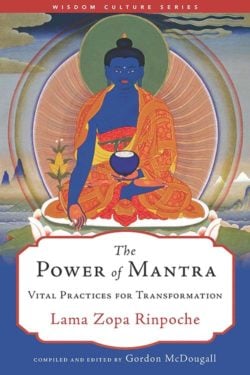
The Power of Mantra
Energize your practice with the potent energy of mantra.
In this book, beloved teacher Lama Zopa Rinpoche guides us through the most popular mantras in Tibetan Buddhism: Shakyamuni Buddha, Chenrezig, Manjushri, Tara, Medicine Buddha, Vajrasattva, and more.
A mantra—literally “that which protects the mind”—is a series of Sanskrit syllables that evoke the energy of a particular buddha or bodhisattva. It works as a sacred sound that brings blessings to ourself and others, and as a tool to transform our mind into one that is more compassionate and wise.
In clear and succinct teachings, Lama Zopa shows us why we need different mantras and how each mantra works. He also explains their importance and power, giving specific instructions for practicing them. The exquisite, full-color illustrations of the deities that accompany the text make this book a beautiful guide, one suitable for both beginners and experienced practitioners.
The Wisdom Culture Series, published under the guidance of Lama Zopa Rinpoche, provides English-language readers with key works for the study and cultivation of the Mahayana Buddhist path, especially works of masters within the lineage of Lama Tsongkhapa and the Geluk school of Tibetan Buddhism.
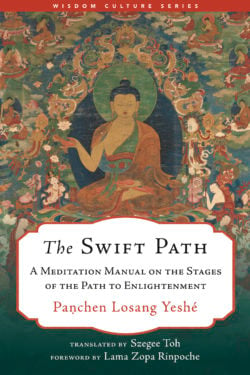
The Swift Path
This collection of guided meditations from eighteenth-century Tibet harnesses elements of tantric visualization to induce realizations while contemplating the steps on the path to buddhahood.
The Swift Path by the Second Panchen Lama has long been heralded in the Geluk school of Tibetan Buddhism as one of the “eight great lamrims,” or works presenting the stages of the path to enlightenment, but it is the last to become widely available in English translation. Composed by a preceptor of two Dalai Lamas, this practical and systematic guide to meditating on the lamrim is based on the Easy Path, a more concise work by the First Panchen Lama. In the Swift Path, Paṇchen Losang Yeshé expands on the earlier Paṇchen Lama’s meditation guide with more detailed instructions on how to generate a clear and profound experience of the key recognitions that allow us to advance on our spiritual journey. These include the recognition of the opportunity afforded by our human existence, both its preciousness and its precariousness, and the way to adopt and live out the practices of a bodhisattva. The guided meditations here make use of a visualization of one’s teacher in the guise of Śākyamuni Buddha to unlock our own innate potential for buddhahood, complete enlightenment, to best benefit humanity and all living beings.
The Wisdom Culture Series, published under the guidance of Lama Zopa Rinpoche, provides English-language readers with key works for the study and cultivation of the Mahayana Buddhist path, especially works of masters within the lineage of Lama Tsongkhapa and the Geluk school of Tibetan Buddhism.
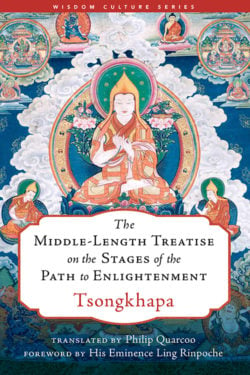
The Middle-Length Treatise on the Stages of the Path to Enlightenment
Tsongkhapa (1357–1419), author of the well-known Great Treatise on the Stages of the Path to Enlightenment and guru to the First Dalai Lama, is renowned as perhaps Tibet’s greatest scholar-saint. A dozen years after writing his Great Treatise, he wrote the Middle-Length Treatise on the Stages of the Path to Enlightenment, presented here in its first complete English translation.
Less than half the length of the Great Treatise, this work similarly presents a systematic overview of the Buddha’s teachings. Tsongkhapa begins by abridging the longer work, distilling its meditations for quicker integration. After recognizing the rarity of our human existence and the great opportunities it affords, he follows with reflections on impermanence, suffering, and the promise of liberation from our past actions, proceeding then to the path of bodhisattvas, whose universal compassion seeks to free every being from suffering. Tsongkhapa gives especially detailed instructions on śamatha, the deep meditative concentration that is a precondition for the highest insight into the nature of reality. The final and largest section, on that very insight, is unique to this work, particularly Tsongkhapa’s presentation of conventional truth and ultimate truth. Beginners and longtime practitioners alike will cherish the clear guidance from one of Tibet’s great luminaries.
The Wisdom Culture Series, published under the guidance of Lama Zopa Rinpoche, provides English-language readers with key works for the study and cultivation of the Mahayana Buddhist path, especially works of masters within the lineage of Lama Tsongkhapa and the Geluk school of Tibetan Buddhism.