
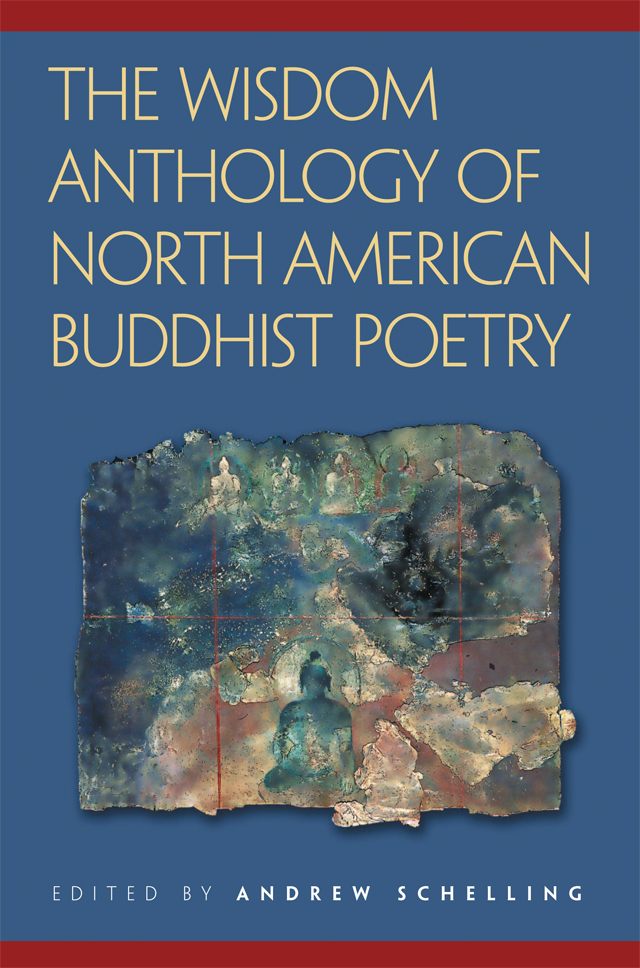
THE WISDOM ANTHOLOGY OF NORTH AMERICAN BUDDHIST POETRY
The print edition of this book is out of stock; please check back later. You can also become a Wisdom Experience member to read many of our books online—click here to join now.
Playful, thoughtful, and important, the 28 poets found in The Wisdom Anthology of North American Buddhist Poetry offer innovations on traditional and time-honored Buddhist poetic forms.
This unique collection brings us African Americans reading the Black diaspora through the eyes of exiled Tibetan monks; Americans of Vietnamese and Tibetan heritage wrestling with the cultural norms of their parents or ancestors; Zen and Dada inspired performance pieces; and groundbreaking writings from the pioneers of the Beat movement, so many of whom remain not just relevant but vital to this day.
With its eclectic mix of acknowledged elders and newly emergent voices, this landmark anthology vividly displays how Buddhism is influencing the character of contemporary poetry.
Includes biographical notes and historical introduction by the editor, enhancing its value for workshop and classroom use.
Includes works by:
- Diane di Prima
- Lawrence Ferlinghetti
- Norman Fischer
- Sam Hamill
- Jane Hirshfield
- Mike O’Connor
- Gary Snyder
- Eliot Weinberger
- Philip Whalen
- Michael McClure
- Leslie Scalapino
- and more…
About the Author

Andrew Schelling is a poet, essayist, and translator of the poetry of India. He has taught at Naropa University for twenty years and from 1993–96 served as chair of the Jack Kerouac School of Disembodied Poetics founded by Alan Ginsburg and Anne Waldman. His publications include Tea Shack Interior and The Wisdom Anthology of North American Buddhist Poetry. He lives in Boulder, Colorado.
Book Information
- Paperback
- 416 pages, 6.00 x 9.00 inches
- $22
- ISBN 9780861713929
Praise
“Nothing else comes close.”—Pacific Rim Review of Books
Discover More



Becoming the Master on the Course and In Life
Now available! Save 20% with code BTM20 until February 3.
On the course or in your mind—golf is a game of balance. Here, timeless Buddhist teachings meet golf-pro expertise to elevate every part of your game.
Ever feel like you’ve invested in the best equipment, taken countless lessons, and put in endless practice—yet your game just isn’t improving? Or that your shots look flawless on the range but fall apart the moment you’re in a real match? Maybe you’ve walked off the course frustrated—with yourself, your swing, or even the game itself—forgetting that golf is actually meant to be enjoyable.
Enter a Buddhist master from Tibet, Geshe YongDong Losar, and a golf pro, Jesse Moussa. Drawing on decades of golf experience and centuries of Buddhist wisdom, they team up to reveal the mental side of the sport: how to eliminate distraction, maintain focus and equilibrium, and let your skills grow naturally—like the grass.
This book is your opportunity to learn from two masters how to meet the game with presence, balance, and joy—and to step up to the ball with confidence every time.
Learn about Geshe YongDong’s previous book Calm Breath, Calm Mind.
How to Live and Die
What death is, how we die, what minds we need at death and what happens after death—only by knowing about death and rebirth can we actually fully understand what life is and so learn how to live fully.
—Lama Zopa Rinpoche
There is arguably no truth more foundational to Buddhism than this: everything is impermanent. We can see this in the world all around us; old systems break down, relationships change. Death comes for those we love and, inevitably, for us.
In this book, the late, beloved teacher Lama Zopa Rinpoche walks us through the traditional, revelatory practices of meditating on the fact of impermanence and even—especially—on death itself. Rather than shy away from this reality, we look straight at it, and thus we learn not only how to not fear death, but how to live.
The Yoga of Niguma
Immerse yourself in the extraordinarily transcendent practice of the yoga of Niguma.
The yoga of Niguma comes to us from a secret tradition passed down over hundreds of years by Buddhist yogis in Tibet. The practice originated with the eleventh-century female yogini Niguma, who mastered and transmitted a tradition of remarkable practices that culminate in physical, spiritual, and emotional wellness. In this book, His Eminence Kalu Rinpoche, a Tibetan master who holds this lineage for today’s generation, is now opening up the practice to make its extraordinary benefits accessible to the modern yogi.
The yoga of Niguma consists of twenty-five sets of yogic exercises. Some are physically challenging while others are quite subtle in nature; all are grounded in meditation on the breath. Kalu Rinpoche illuminates the practice by sharing his own personal journey with the yoga of Niguma and how the lineage came to be. He also teaches us how we can prepare the mind for this practice with meditation and how to balance our emotions. Then, Rinpoche takes us step-by-step through the twenty-five illustrated sequences of Niguma yoga. Coauthor Michele Loew, an international yoga teacher, shares supportive Hatha yoga techniques that will bolster your Niguma yoga practice.
The yoga of Niguma is a revered method that integrates body, mind, and breath. Dive in to discover for yourself a gradual, profound groundswell of subtle awakening.
Rinpoche and Michele have recorded two full-length videos that demonstrate Niguma yoga sequences and supportive hatha yoga postures and supplement the instructions in the book. To learn more and watch the videos simply purchase the book and scan the QR code on the Additional Resources page in your copy.
You may also be interested in Rinpoche’s courses from Wisdom, Niguma’s Dream Yoga and The Illusory Body and Mind.
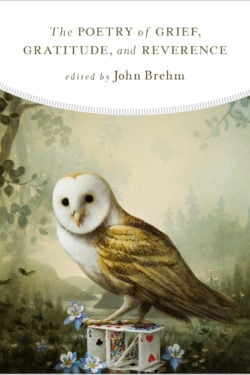
The Poetry of Grief, Gratitude, and Reverence
Explorations on a journey through the darkest and brightest moments of our lives, the poems gathered here are explorations of loss, of thanksgiving, of transformation. Some show a path forward and others simply acknowledge and empathize with where we are, but all are celebrations of poetry’s ability to express what seemed otherwise inexpressible, to touch deep inside our hearts—and also pull ourselves out of our selves and into greater connection with the world around us.
Includes poems by
Rainer Maria Rilke, Robert Frost, Elizabeth Bishop, Czesław Miłosz, Seamus Heaney, Billy Collins, Joy Harjo, Danusha Laméris, Ada Limón, Kevin Young, Arthur Sze, Ellen Bass, Li-Young Lee, Natasha Trethewey, and many more, plus the editor’s essay on appreciative attention.
John had recorded guided poetry meditations to accompany several of the poems found in this anthology. To learn more and listen to these meditations, please click here.
Listen to a Wisdom Dharma Chat with John and host Daniel Aitken recorded in October 2023.
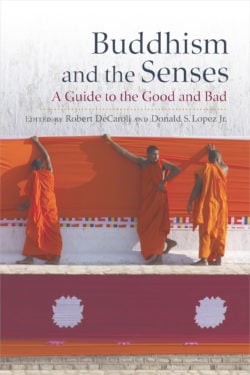
Buddhism and The Senses
Across Buddhist traditions, the five senses—sight, sound, smell, taste, and touch—are perceived both positively and negatively. Share eminent scholars’ fascination and deep insight into what makes a sensuous experience good or bad.
Following the exhibition Encountering the Buddha: Art and Practice across Asia at the National Museum of Asian art, ten eminent scholars present their insights into Buddhism’s fascinating relation with the five senses (sight, sound, smell, taste, and touch), which careens between delight and disgust, rarely finding a middle way. While much of Buddhist literature is devoted to overcoming the attachment that dooms us to rebirth in samsara, primarily by deprecating sense experience and showing that whatever brings us sensual pleasure leads only to all manner of physical and mental pain, in texts such as the Lotus Sutra, sensory powers do not offer sensory pleasure but rather knowledge, clear observation, and ability to preach the Dharma. Considering such religiously and historically contingent ambiguity, this volume presents each of the five senses in two instantiations, the good and the bad, opening up the discourse on the senses across Buddhist traditions.
Just as the museum departed from tradition to incorporate sensory experiences into the exhibition, this volume is a new direction in scholarship to humanize Buddhist studies by foregrounding sensory experience and practice, inviting the reader to think about the senses in a focused manner and shifting our understanding of Buddhism from the conceptual to the material or practical, from the idealized to the human, from the abstract to the grounded, from the mind to the body.
Includes essays by Bryan J. Cuevas, Debra Diamond, D. Max Moerman, Reiko Ohnuma, James Robson, Melody Rod-ari, Kurtis R. Schaeffer, John Strong, and Lina Verchery.
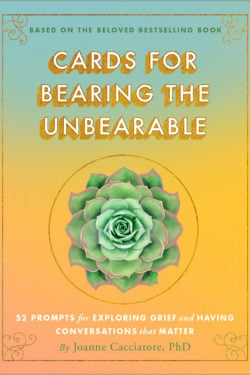
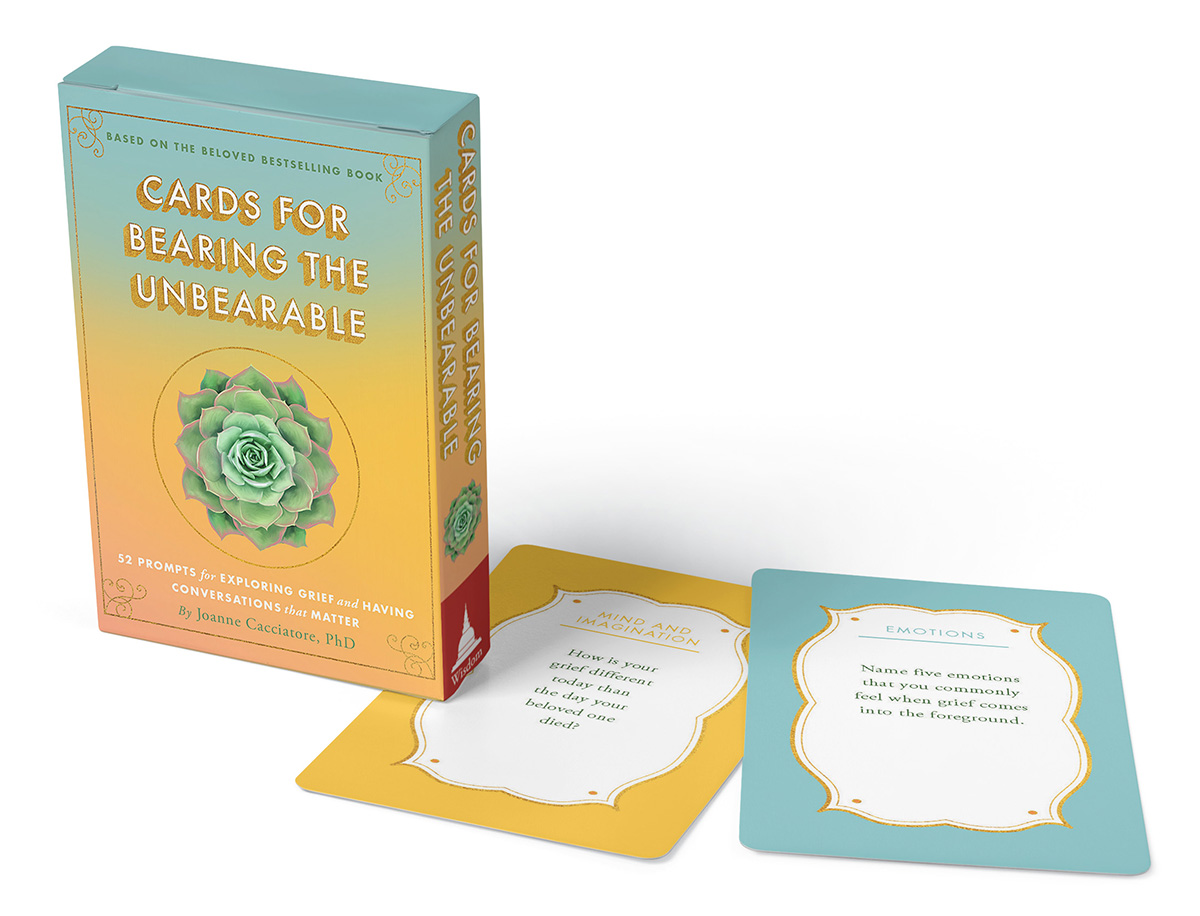
Cards for Bearing the Unbearable
Grief sometimes leaves us without words. Yet narrating our feelings, thoughts, and experiences can be so helpful in relating to our inner world. These cards are an invitation to begin that process.
From the bestselling author of Bearing the Unbearable, here are 52 cards with prompts for exploring grief and starting conversations about those whom we’ve lost. These cards can be used as part of a contemplative practice, as journaling prompts, by or with therapists, or used in community with family, friends, or with a grief support group. They can be read aloud, alone or with others. You can read one card prior to meditation, or simply take one in and reflect deeply on what arises. However you use these cards, please take the time to really be with each one, dive deeply—and do so with a spirit of love and compassion for all beings, including yourself.
Click here to watch a message from Dr. Jo.
You can also explore Dr. Jo’s books, Bearing the Unbearable, Bearing the Unbearable: A Guided Journal for Grieving, and Grieving is Loving, as well her her Wisdom Academy course, Bearing the Unbearable.
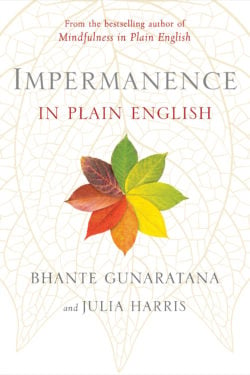
Impermanence in Plain English
The bestselling author of Mindfulness in Plain English guides the reader toward a direct and personal realization of one of the foundational tenets of Buddhism: all things that arise must pass away.
Once-youthful bodies grow old and weary. New thoughts, feelings, and sensations arise and fade every second. Impermanence is not some abstract metaphysical idea. This is the Dhamma, and you can see it for yourself.
Drawing from Pali scriptures and writing with fresh, direct language, Bhante Gunaratana and his student Julia Harris highlight the Buddha’s exhortation that we must directly realize for ourselves the liberating insights that free us from suffering and cyclic existence, without relying only on the word of religious authorities or academic or philosophical musings.
Being Human and a Buddha Too
In writing that sparkles and inspires, Anne Klein (Lama Rigzin Drolma) shows us how to liberate our buddha nature to be both human and a buddha too.
This first volume in the House of Adzom series centers on Longchenpa’s seven trainings in bodhicitta, our awakened mind, the ultimate purpose of our practice and training. Anne Klein’s original composition masterfully weaves in Adzom Paylo Rinpoche’s commentary and Jigme Lingpa’s five pith practices and commentary on the trainings, in keeping with Longchenpa’s skillful integration of sutra, tantra, and Dzogchen, to resolve our most challenging questions about what awakening involves and how it relates to the truth of our human situation right now. As foundational teachings for Dzogchen practitioners, the seven trainings are framed as contemplations on impermanence, the adventitiousness of happiness and its short duration, the multiple causes of death, the meaninglessness of our worldly activities, reliance on the Buddha’s good qualities, the teacher’s pith instructions, and ultimately nonconceptual meditation on bliss and emptiness, clarity and emptiness, and reality itself.
Ultimate Healing
We experience illness on a physical level, but in order to be healed, we must understand where true healing begins: within our hearts and minds. In Ultimate Healing, internationally renowned meditation master Lama Zopa Rinpoche helps us to recognize the root of illness and gives us the tools to create our future happiness. Beginning with stories of people who have recovered from disease through meditation, Rinpoche addresses the central role played by karma and by the mental habit of “labeling” in causing illness, and shows how meditation and other thought techniques for developing compassion and insight can eliminate the ultimate cause of all disease.
Ultimate Healing shows us that by transforming our minds, especially through the development of compassion, we can eliminate the ultimate cause of all disease. In addition to relating stories of people who have recovered from disease through meditation, Lama Zopa presents practical healing meditations, including white-light healing, compassion meditation, “taking and giving”, and techniques to cure depression.
Beyond Distraction
The mind can be a potent tool, used to guide extraordinary achievements, inspire good works, and incline your spiritual path toward peace and awakening. But the mind can also produce thoughts that lead to suffering. For many people, thoughts run rampant and seem to oppress or control their lives. Even the Buddha tells us that before his enlightenment, he sometimes found his mind preoccupied by thoughts connected with sensual desire, ill will, and harm. But he figured out how to respond to thoughts skillfully and developed a step-by-step approach to calm the restless mind. Now, Insight Meditation teacher Shaila Catherine offers an accessible approach to training the mind that is guided by the Buddha’s pragmatic instructions on removing distracting thoughts. Drawing on two scriptures in the Middle Length Discourses of the Buddha, Shaila shows you how to overcome habitual modes of thinking, develop deeper concentration, and discover the insights into emptiness that are vital for a liberating spiritual path.
Following the Buddha’s pragmatic approach, Shaila guides you through five steps for overcoming distraction and focusing the mind:
- Replace unwholesome thoughts with wholesome thoughts.
- Examine the dangers of distracting thoughts.
- Avoid it, ignore it, forget it.
- Investigate the causes of distraction.
- Apply determination and resolve.
Each chapter includes exercises and reflections to help you cultivate the five steps to deeper concentration. You’ll learn about your mind and develop your ability to direct your attention more skillfully in meditation and daily activities. And ultimately, you’ll discover for yourself how these five steps boil down to one key realization: In the moment you recognize that a thought is just a thought, you will find yourself on the path to a life of remarkable freedom.
A Peaceful Piggy’s Guide to Sickness and Death, Sadness and Love
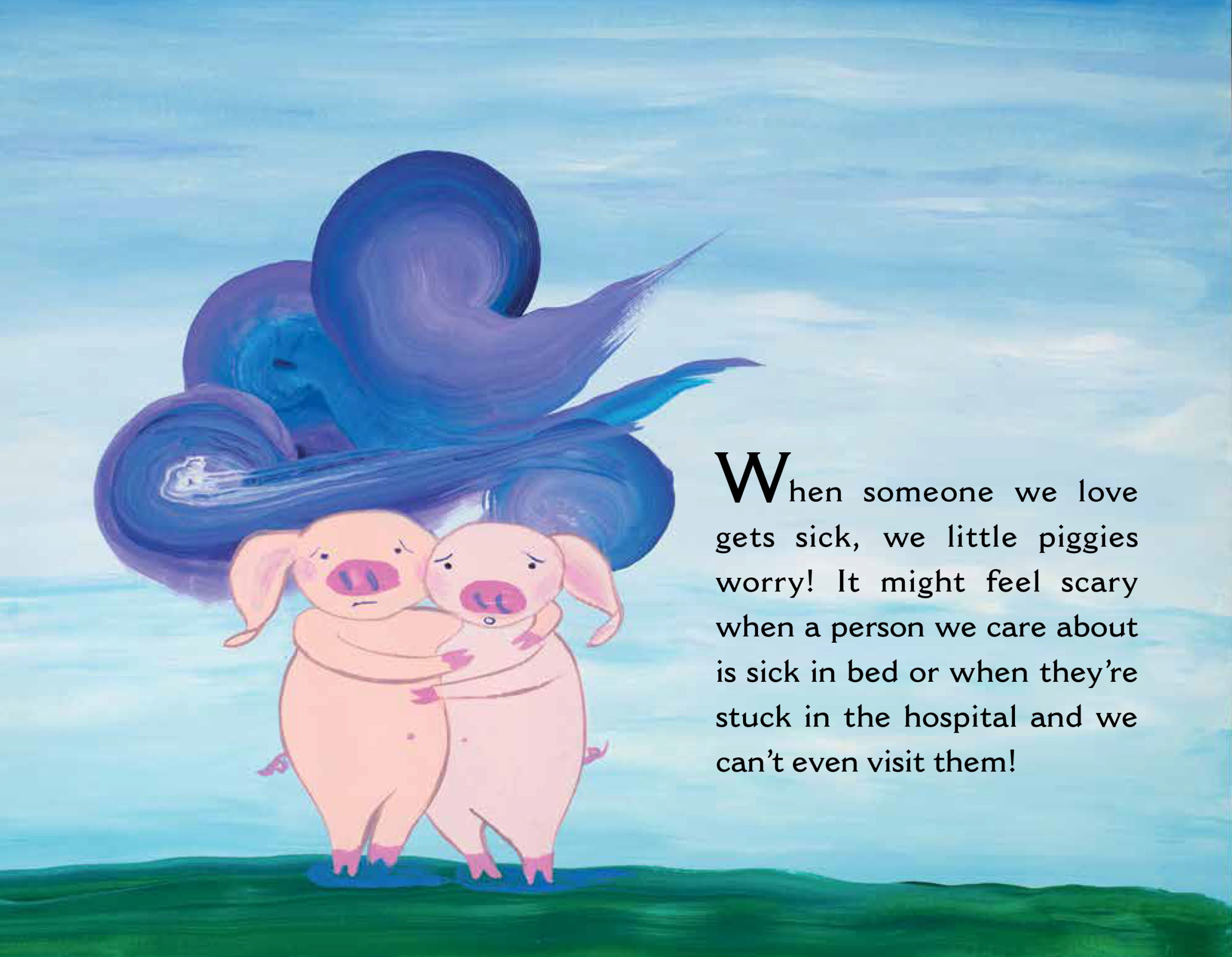
When someone we love gets sick, we little piggies worry! It can feel scary when a person we care about is sick or in a hospital. Luckily, there is one good thing we peaceful piggies can do: meditate.
This is a story about love.
Experiencing a loved one’s illness or death is challenging for both children and their grownups. With three distinct sections to choose from—when someone we love is sick, dying, or has died—this guide will help you easily find soothing and practical mindfulness activities focused on what your young one needs in order to guide them through their big emotions and questions. These practices will help calm and empower children—and their grownups—as they discover they can still be with their loved ones through their heart connection, no matter where they are.
Click here for an animated video based on the story.
The Mindful Menopause Workbook
The Mindful Menopause Workbook will help you bring mindfulness into your day-to-day activities during menopause. The teachings, exercises, and meditations will show you how to recognize and achieve a more balanced, peaceful, and joyful orientation to whatever you experience at menopause and beyond.
A year’s worth of daily teachings will offer you micro-moments of self-care and self-development—mentally, physically, and spiritually. Following each teaching is space for you to journal whatever thoughts, emotions, or sensations arise. The exercise section includes an illustrated guide to yoga postures and outlines sequential poses that foster greater ease and awareness of the body, while the guided meditations and breath exercises promote body-mind unity through expanded peaceful awareness. The book addresses issues common to women during menopause sensitively and gives recommendations for dealing with common complaints such as insomnia, fatigue, low energy and libido, anxiety, depression, hot flashes, physical discomfort, poor digestion, and weight gain.
Together, these teachings, exercises, and reflections will help you approach menopause mindfully, and joyfully, as you deepen your practice and transition into a new stage of life.
“The Mindful Menopause Workbook is an ideal companion for navigating the transitional tidal waves of feminine growth. It is a great resource to rejuvenate the heart, mind, and body as you step into the next phase of life with renewed hope, confidence, and wisdom. Francesca Dupraz-Brossard has mapped out exciting pathways for women to appreciate and connect with their heart, mind, and body with love, compassion, joy, and equanimity, and to rediscover the beauty of their lives.”
—Dr. Charika Marasinghe, PhD, trustee, Vishva Niketan International Peace Centre
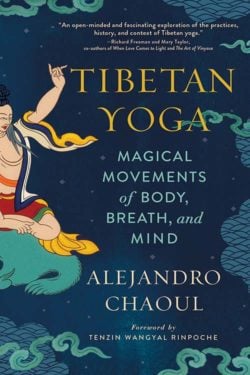
Tibetan Yoga
Discover ancient Tibetan yogic practices that integrate body, breath, and mind on the journey to personal cultivation and enlightenment.
Tibetan Yoga offers accessible instructions for performing the ancient yogic techniques of Tibet’s Bön religion. This is Tibetan yoga, or trul khor, a deeply authentic yogic practice. Drawing on thirty years of training with Bön’s most senior masters as well as advanced academic study, Dr. Alejandro Chaoul offers expert guidance on practices that were first developed by Bön masters over a millennia ago, framing them according to the needs of contemporary yoga practitioners and meditators.
No matter their level of experience, dedicated practitioners of Tibetan yoga will discover their ability to clear away obstacles and give rise to meditative states of mind. In Tibetan Yoga, you’ll learn what it means to practice for the benefit of all beings and to experience your body as a mandala, from center to periphery. These movements help you live in a more interconnected mind-breath-body experience, with benefits including better focus, stress reduction, the elimination of intrusive thoughts, better sleep, and general well-being.
Save 20% on the Tibetan Yoga online course when you buy this book! Your discount code is at the end of the book.
Awake Where You Are
“Embodied awareness is the way back home—intimacy with where and how we are right now, with what is happening and how we are meeting it. This book will lead you into the heart of your life, into your body, where everything happens—with quality of listening rather than knowledge, of feeling rather than reaction. Practicing in this way is radically transformative.”
—Martin Aylward
Pulled around by desires and distractions, we’re so easily disconnected from ourselves. Life is happening right in front of us, and within us—but still, we manage to miss so much of it.
Awake Where You Are provides the antidote, inviting us to go deep into our own bodies, to inhabit our sensory experience carefully; to learn the art of living from the inside out, and in the process to find ease, clarity, and an authentic, unshakeable freedom.
The practices in the book literally bring us back into our skin, where we can reconnect with a more rich, meaningful, and peaceful life. Aylward writes with sophisticated subtlety, as well as the heart-opening simplicity and clarity born of deep experience.
More than a meditation guide, this book is a guide to living an embodied life. You’ll learn about the following areas and practices:
-
- Understanding and liberating our primal human drives.
- Integrating psychological understanding with meditative practice.
- Investigating the nuances of love.
“Martin is a marvelous teacher and offers us the refreshing wisdom of an embodied life.”
—Jack Kornfield, author of No Time Like the Present
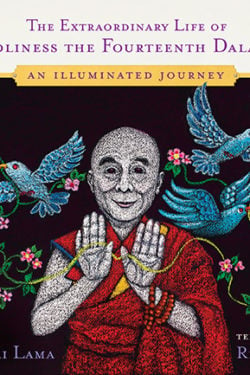
The Extraordinary Life of His Holiness the Fourteenth Dalai Lama
One of the most revered spiritual figures of our time—His Holiness the Fourteenth Dalai Lama—tells the story of his life in this intimate, timeless, and approachable book. Featuring luminous illustrations from world-renowned artist Rima Fujita and some never-before-shared details, it’s the perfect way to explore the life of the Dalai Lama. This simple yet powerful text combined with stunning artwork will captivate readers of all ages—and will take you on a mystical journey you won’t soon forget.
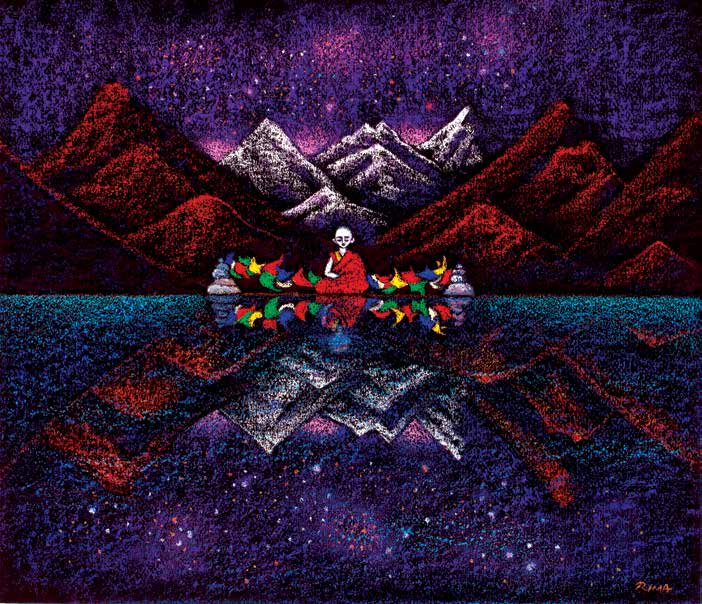
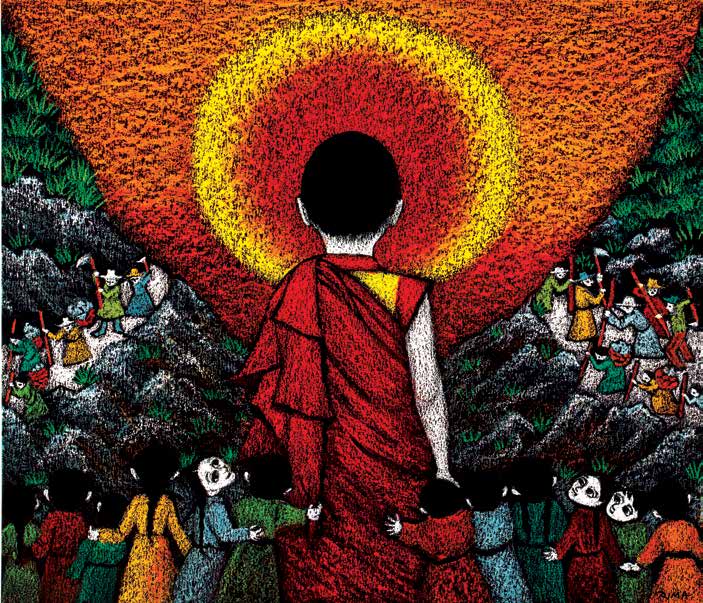
Also available in Tibetan.
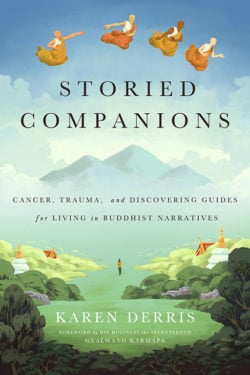
Storied Companions
“With my diagnosis of grade IV brain cancer, I no longer observe the truth of impermanence from a critical, analytical distance. I am crashing into it, or it into me.”
Facing a terminal cancer diagnosis, Karen Derris—professor, mother, and Buddhist practitioner—instinctually turned to books. By rereading ancient Buddhist stories with fresh questions and a new purpose in mind, she discovered evolving ways to make them immediate and real. Storied Companions interweaves Karen’s memoir of her lived experiences of trauma and terminal illness with stories from Buddhist literary traditions, sharing with the reader how she found ways to live fully even with the reality that she won’t live as long as she needs—or wants.
Using her knowledge, practice, and imagination, Karen illustrates how placing yourself within narratives can turn them from distant and static sources into companions, and from companions into guides. Reading along with her, you’ll realize how this practice of reading and these ancient narratives can help us come to terms with impermanence, develop empathy and compassion, and realize our own interconnectedness.
Honest, powerful, and insightful, Storied Companions itself becomes an invaluable companion, guiding the reader to discover new ways of facing and experiencing life, death, and impermanence.
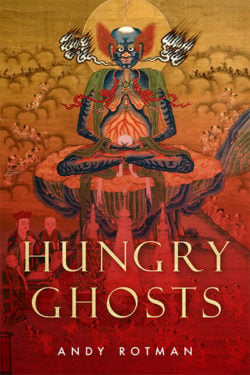
Hungry Ghosts
“In this wonderful gem of a book, Andy Rotman offers us a compelling translation of a set of ten Sanskrit Buddhist stories about ‘hungry ghosts’ (preta) taken from the Avadānaśataka (“One Hundred Stories”), an important early Indian anthology of Buddhist narratives. Rotman has brought them into the limelight and shown how important they are for Buddhists and for all of us. Hungry Ghosts will become a standard work on the subject.”
—John Strong, Charles A. Dana Emeritus Professor of Religious and Asian Studies, Bates College
The realm of hungry ghosts is one of the unfortunate realms of rebirth in the Buddhist cycle of existence, and those reborn there are said to have led lives consumed by greed and spite. In one of the earliest sources about hungry ghosts, translated here, hungry ghosts know the error of their ways, and they sometimes appear among humans, like the ghosts that haunt Ebenezer Scrooge, as augurs of what may await. Artistic depictions of the travails of hungry ghosts are found throughout the Buddhist world, and some of the best examples are reproduced and richly described here. Discover how an understanding of the meanness (matsārya) that afflicts hungry ghosts illuminates the human condition, offering insight and inspiring compassion for readers both in ancient times and today.
“Rotman brings new life to old stories about hungry ghosts, and he provides unique insight into their development and their importance even for modern Buddhism. A must-read for students of Buddhist thought and art.”
—Monika Zin, Saxon Academy of Sciences and Humanities, Leipzig University
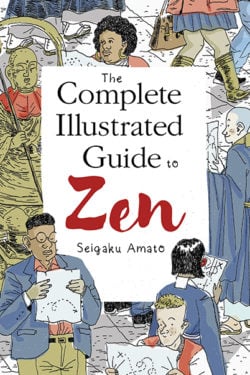
The Complete Illustrated Guide to Zen
The Complete Illustrated Guide to Zen offers a comprehensive overview of Soto Zen Buddhism in a delightfully captivating way. Complete with dynamic, detailed illustrations, Soto Zen Priest Seigaku Amato uses a semi-narrative style to take you on a visual tour of Buddhism and, using specifics to illuminate universals, dives deep into the practices and forms of Soto Zen.
Whether you are just taking your first step or have been practicing Zen for years, this creative and profound book will be a constant companion and guide on your journey as it explores topics such as:
- A brief history of Buddhism
- An iconographic overview of various buddhas and bodhisattvas
- An introduction to the various practices of Zen including meditation (zazen), work practice (samu), and meditative eating (oryoki)
- A what’s what of holidays, ceremonies, temple instruments, and religious vestments
- A how-to guide for setting up a home altar
“This is a cute book! But it’s not just cute, it’s also deep and profound, and is one of the best guides to Zen practice I have ever come across. The illustrations are delightful and the written sections are clear and easy to understand. I give it a million zillion stars!”—Brad Warner, author of Hardcore Zen
“I loved this book and smiled the whole way through. But don’t be fooled by its whimsy! There’s a wealth of experience, knowledge, and devotion behind these illustrations. This book is a perfect guide for a beginning Zen student and makes a delicious snack for the more advanced practitioner.”—Gesshin Greenwood, author of Bow First, Ask Questions Later